

Imagine increasing your company's productivity by 40%—that’s the kind of potential AI holds. However, achieving this isn’t as simple as flipping a switch. Many businesses find themselves lost in a maze of high costs, talent shortages, and integration hurdles. With 78% of organizations leveraging AI in 2024, staying competitive means adapting quickly but wisely. This article will delve into the nitty-gritty of implementing AI, offering solutions that promise tangible returns on investment. By the end, you'll understand how AI can transform your operations and why Quicklook stands as your ideal partner in this journey.
AI Implementation Challenges: A Realistic View
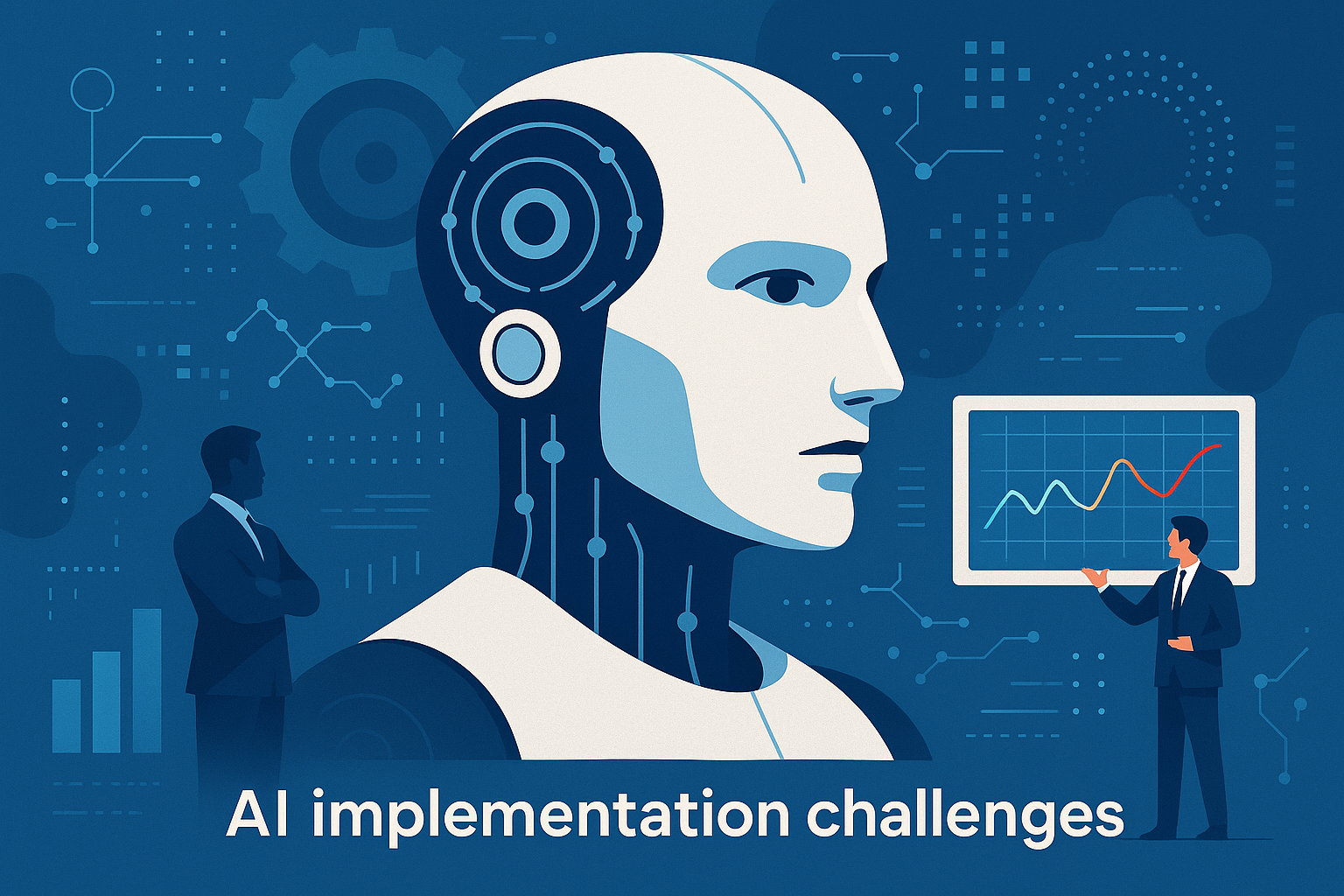
The road to AI implementation is fraught with obstacles, especially for businesses wrestling with resource constraints. Talent shortages are a significant hurdle, with many companies unable to find qualified experts to lead AI initiatives. Additionally, integrating AI with legacy systems often results in operational disruptions. These challenges are compounded by the need for robust data governance frameworks, ensuring data quality and compliance with regulations. Understanding these complexities is crucial for avoiding common pitfalls and ensuring a smooth AI adoption process.
With these challenges in mind, how can businesses effectively measure the returns from their AI investments?
Measuring AI ROI: Turning Data into Dollars

Measuring the ROI of AI projects can be daunting, yet it's essential for justifying expenditure and securing stakeholder buy-in. Traditional metrics like cost savings and productivity improvements are useful, but AI's impact often extends to less tangible areas such as customer satisfaction and market agility. To capture a comprehensive picture of AI's value, companies should adopt a multi-metric approach, focusing on both direct financial benefits and strategic gains. Quicklook’s tailored analytics tools can assist in tracking these metrics, providing clarity and confidence in AI investments.
With a clear understanding of ROI, the next step is integrating AI into your current processes seamlessly.
Best Practices for AI Integration: Smooth Transitions
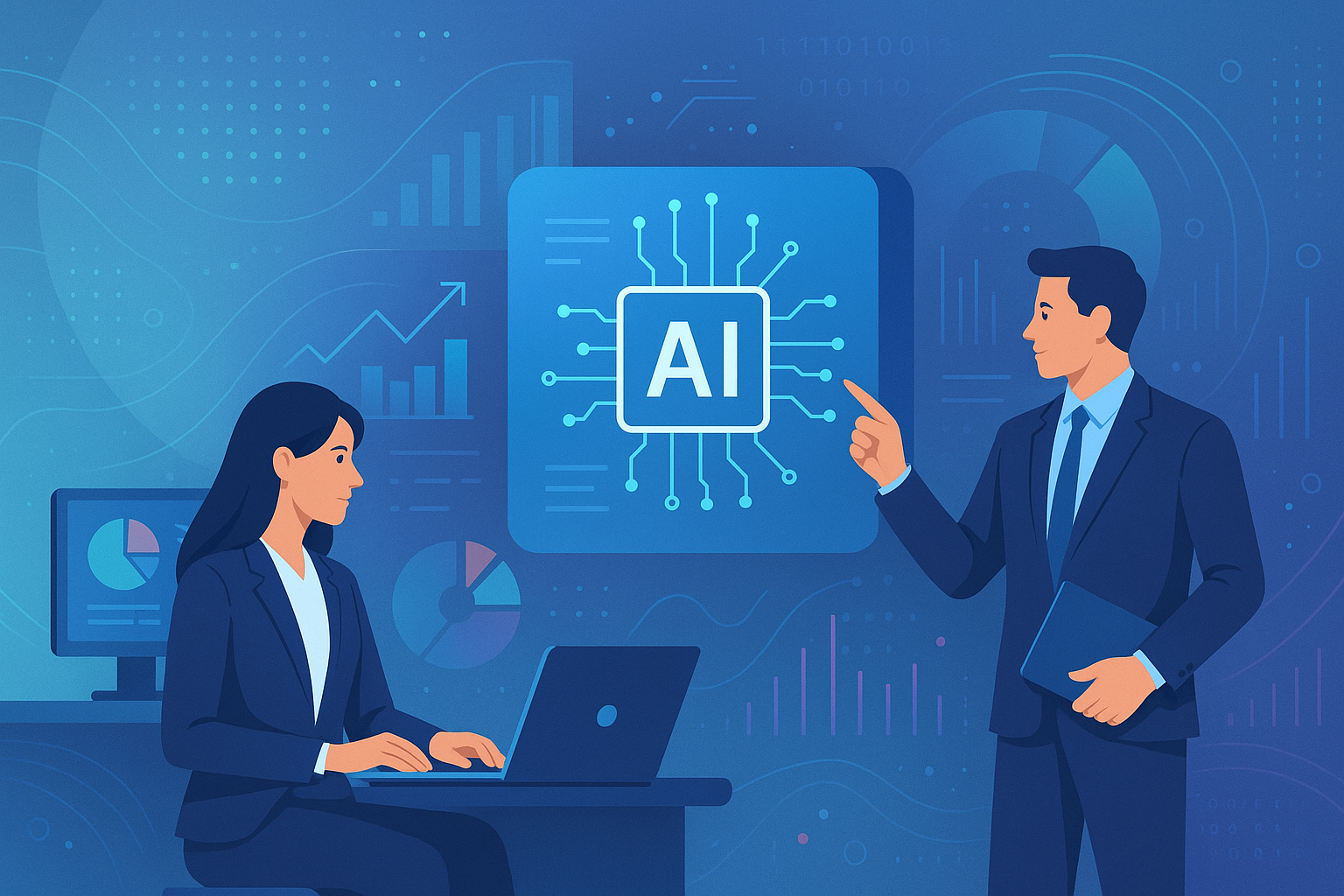
Integrating AI into existing workflows requires careful planning and execution. Begin with a clear understanding of your business objectives, ensuring that AI initiatives align with strategic goals. Pilot programs serve as valuable testbeds, allowing businesses to refine processes without significant risk. Furthermore, collaboration between IT and business units is essential to address potential integration issues. Quicklook offers a structured approach to AI integration, guiding businesses through each phase from initial assessment to full-scale deployment.
Once integrated, optimizing AI’s impact becomes crucial. Let’s explore strategies to maximize these solutions.
AI Optimization and Scaling: Enhancing Impact
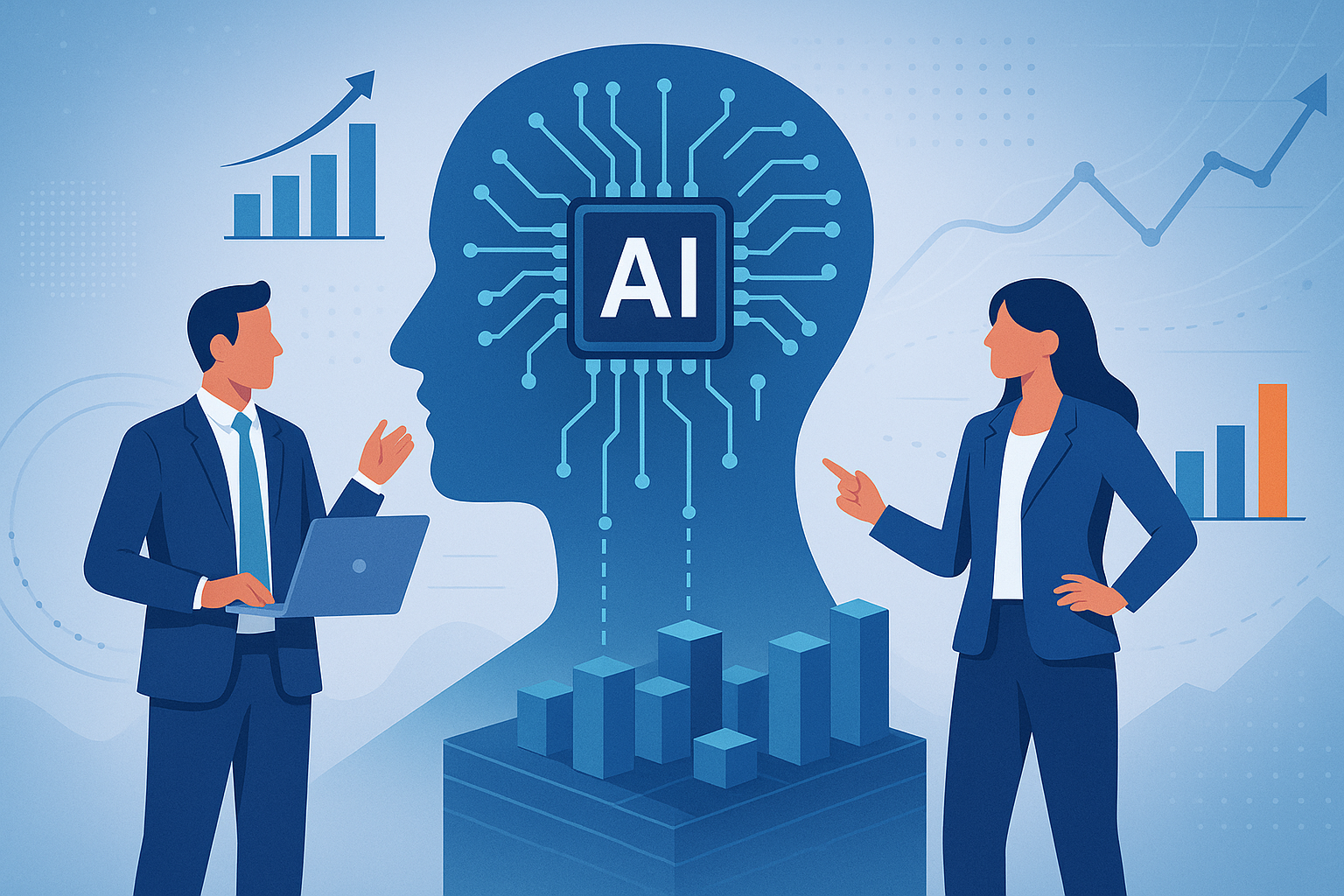
After successful integration, the focus shifts to optimizing AI solutions and scaling them across the organization. Automation and continuous learning are key components here, enabling systems to adapt and improve over time. Regular audits of AI processes help in identifying areas for enhancement, ensuring sustained performance improvements. Quicklook provides ongoing support and optimization services, ensuring that your AI systems remain cutting-edge and efficient.
Finally, how can businesses adapt to emerging AI trends and maintain their competitive edge?
Navigating AI Market Trends: Staying Ahead
The AI landscape is dynamic, with new trends emerging that influence adoption rates across industries. In 2025, AI market trends point towards increased personalization, ethical AI practices, and regulatory compliance as top priorities. Businesses must stay informed and agile, ready to pivot strategies as necessary. Quicklook keeps clients abreast of these developments, providing insights and recommendations to ensure that AI investments continue to yield substantial returns and competitive advantage.
To wrap up, let's provide a practical framework for implementing AI that you can tailor to your business needs.
The 5-Phase AI Implementation Roadmap
This roadmap offers a systematic approach to implementing AI, ensuring a structured and successful transition.
Assessment
Evaluate current capabilities and define AI objectives.
Pilot Testing
Launch small-scale AI projects to test hypotheses.
Integration
Incorporate AI into existing systems with minimal disruption.
Optimization
Continuously improve AI processes through feedback loops.
Scaling
Expand AI applications across the organization.
Frequently Asked Questions
QHow can we address the AI talent shortage?
QWhat are cost-effective AI tools for small businesses?
QHow can we ensure data privacy with AI?
QWhat criteria should guide AI vendor selection?
Conclusion
AI presents immense opportunities for businesses willing to navigate its complexities with strategic insight. By understanding the challenges, measuring ROI effectively, integrating smoothly, and staying ahead of trends, businesses can unlock significant growth.
Key Takeaways
- ✓AI can dramatically increase productivity and ROI.
- ✓Understanding and planning for challenges is crucial.
- ✓Effective ROI measurement is multi-faceted.
- ✓Integration requires careful strategy and collaboration.
- ✓Staying informed on trends ensures long-term success.
Next Steps
Evaluate your current systems and AI readiness. Reach out to Quicklook for a personalized consultation to explore tailored AI solutions.
Quicklook has helped dozens of companies successfully integrate AI with measurable outcomes. Contact us to learn how we can assist you.