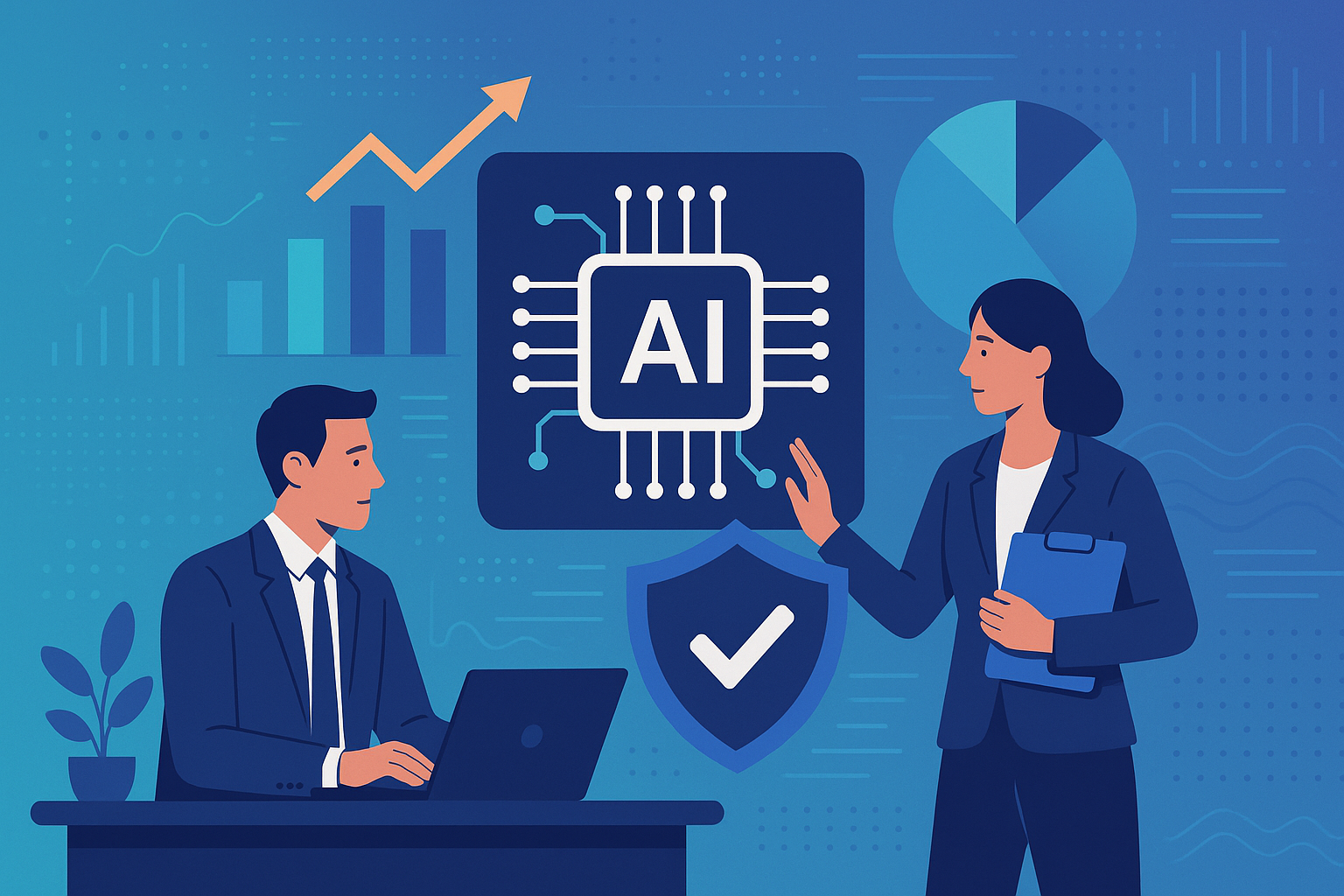
Imagine this: You've just deployed a cutting-edge AI system that's set to revolutionize your business operations. But then, a security breach occurs, costing your company millions and damaging your brand's reputation. As businesses race to integrate AI—93% of U.S. companies plan to do so in finance within the next 18 months—the stakes for ensuring security and compliance have never been higher. In 2026, the landscape is further complicated by evolving global regulations and the constant threat of cyber attacks, with nearly one in four organizations reporting a ransomware attack last year. This article explores the challenges of integrating AI securely, the financial implications of implementing advanced security frameworks, and the best practices for maintaining compliance with global regulations. By the end, you'll understand how Quicklook can transform these daunting challenges into strategic opportunities.

TL;DR
In a rapidly evolving digital landscape, businesses face the dual challenge of integrating AI while ensuring robust security and compliance. This guide outlines how companies can effectively measure ROI from advanced security frameworks, navigate global regulations, and implement best practices. Quicklook's expertise in embedding security and compliance into software solutions positions them as the ideal partner for overcoming these challenges and driving sustainable growth.