

Imagine trying to shout over a crowd where everyone else is shouting just as loudly. That’s what digital marketing feels like in 2025, with AI-generated content flooding every channel and making it increasingly difficult for brands to stand out. Rising digital advertising costs further complicate the landscape, putting pressure on businesses to maximize ROI without overspending. For companies striving to generate qualified leads and measure marketing success, these challenges are daunting. But they also present an opportunity for transformation. With the right strategies, businesses can not only adapt but thrive. This article explores how to navigate the saturation of AI-generated content, manage advertising expenditures effectively, and adjust SEO practices to keep pace with evolving technologies like voice and visual search. We’ll also delve into integrating AI tools to boost personalization and consumer engagement while maintaining trust and data privacy. Let’s explore how the right approach can transform these challenges into measurable business growth.
Navigating AI-Generated Content Saturation

In 2025, AI-generated content has become so prevalent that it creates a sea of sameness, making it harder for brands to distinguish themselves. This saturation means your messaging must be sharper, more relevant, and highly personalized to capture audience attention. The key is to leverage data-driven insights to craft content that resonates deeply with your target market. For example, using tools like Dynamic Yield, businesses can harness AI to tailor content recommendations based on user behavior, effectively cutting through the noise. Moreover, brands should focus on establishing a strong, authentic voice that reflects their core values, as authenticity is increasingly valued in a crowded digital space.
With content differentiation addressed, let's tackle the rising costs of digital advertising.
Managing Rising Digital Advertising Costs
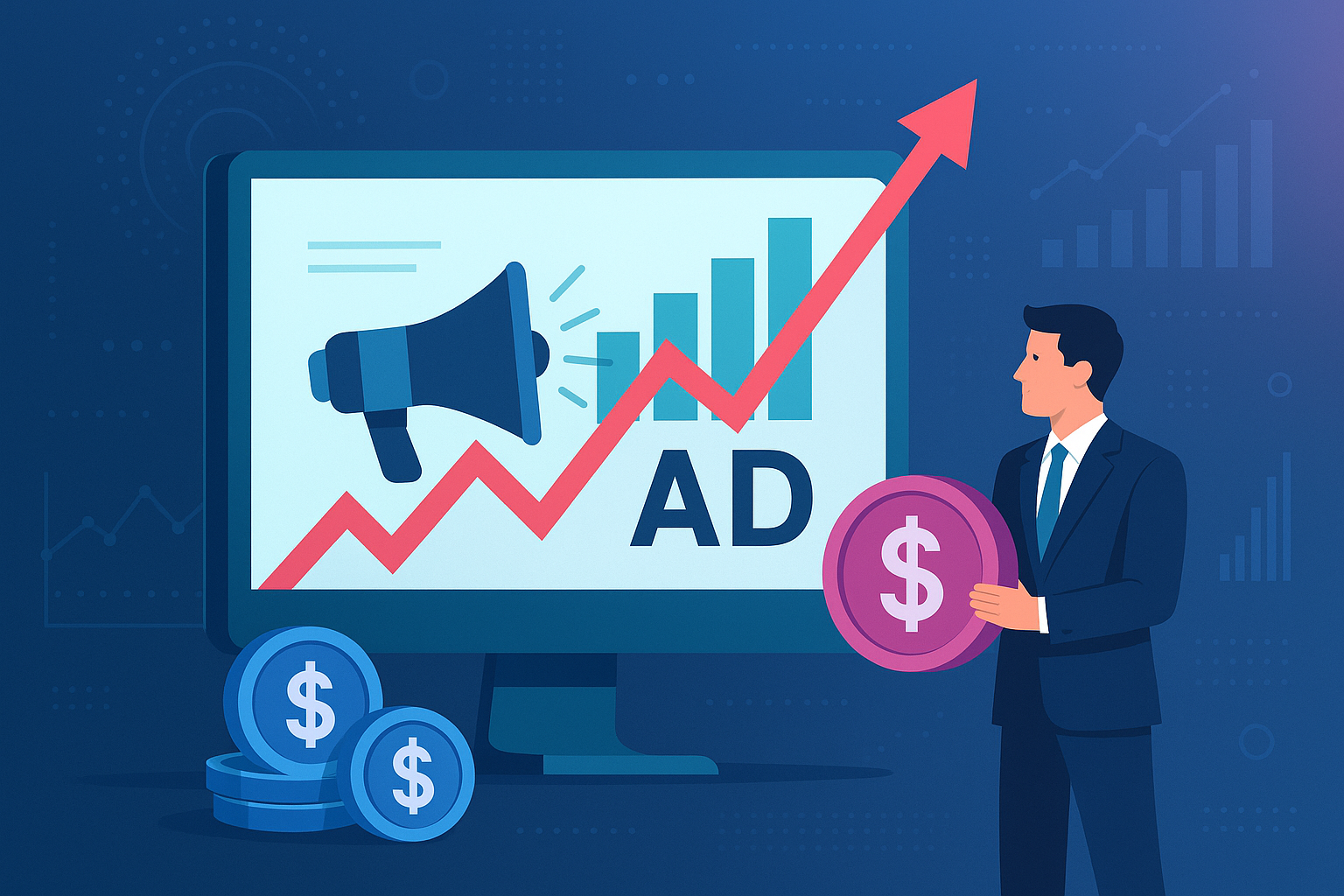
As advertising costs continue to climb across major platforms like Google and Meta, companies are feeling the squeeze. To maintain a positive ROI, it's crucial to optimize your ad spend. One effective strategy is to prioritize platforms and ad formats that deliver the best return on investment. For example, leveraging data from Google Analytics 4 can help pinpoint which channels are driving the most valuable conversions. Additionally, consider exploring less saturated channels or emerging platforms where competition—and hence costs—are lower. By continuously testing and refining your ad strategies, you can ensure that every dollar spent is driving measurable business outcomes.
With advertising costs under control, adapting SEO practices is the next critical step.
Adapting SEO for Algorithm Updates and Voice Search

The SEO landscape is constantly shifting with frequent algorithm updates and the rise of voice and visual search. In 2025, search engines prioritize AI-driven results and user engagement signals. This means businesses need to be agile, regularly updating their SEO strategies to align with these changes. Optimizing for voice search, for instance, involves focusing on natural language queries and long-tail keywords. Visual search optimization requires high-quality images and descriptive metadata. Staying ahead of these trends ensures your content remains visible and relevant.
With a solid SEO strategy, integrating AI tools can further enhance your marketing efforts.
Integrating AI Tools for Enhanced Personalization

AI tools have become integral in delivering personalized customer experiences. In 2025, successful marketing strategies hinge on the ability to use AI to understand and predict customer behaviors. Tools like Adobe Experience Cloud allow businesses to create tailored marketing campaigns that adapt in real-time to user interactions. This level of personalization not only increases engagement but also builds stronger customer relationships. However, it's important to implement these tools correctly to realize their full potential and avoid common pitfalls such as data mismanagement.
Finally, let's address maintaining consumer trust amidst privacy concerns.
Building Consumer Trust Amidst Privacy Concerns
In an era where consumers are increasingly concerned about privacy and data protection, building trust is paramount. Transparency in how data is collected and used is essential. Businesses must clearly communicate their data privacy policies and demonstrate their commitment to protecting consumer information. Additionally, aligning with privacy regulations not only builds trust but also avoids potential legal issues. By being transparent and ethical in data handling, businesses can foster long-lasting customer relationships.
Having explored these strategies, let's outline a practical framework for implementation.
The 5-Phase Implementation Roadmap
This framework helps businesses systematically implement digital marketing strategies to overcome common challenges.
Assessment
Evaluate current marketing efforts and identify areas for improvement.
Strategy Development
Develop a comprehensive marketing strategy tailored to business goals and market conditions.
Tool Integration
Select and integrate the appropriate AI tools and platforms to enhance marketing efforts.
Execution
Implement the marketing strategy across all relevant channels.
Evaluation and Optimization
Frequently Asked Questions
QHow can businesses effectively differentiate their content amidst AI saturation?
QWhat cost-effective strategies can companies use to manage rising digital ad costs?
QHow should organizations adjust SEO practices for voice and visual search?
Conclusion
In 2025, digital marketing is more challenging than ever, but also full of opportunities. By addressing content saturation, managing ad costs, adapting SEO practices, integrating AI tools, and building consumer trust, businesses can achieve measurable growth.
Key Takeaways
- ✓Differentiate content with authenticity and data-driven insights.
- ✓Prioritize cost-effective advertising platforms for optimal ROI.
- ✓Adapt SEO strategies for voice and visual search.
- ✓Integrate AI tools for personalized marketing.
- ✓Build consumer trust through transparency and data protection.
Next Steps
Evaluate your current digital marketing strategies and consider partnering with Quicklook to tailor a solution that meets your business objectives.
Quicklook has helped dozens of companies navigate the complexities of modern digital marketing. Let us help you transform your marketing approach.