

Imagine a world where your business operations are seamlessly optimized, where decision-making is data-driven and innovative solutions are at your fingertips. This is the promise of Artificial Intelligence (AI) and Machine Learning (ML), technologies that are reshaping industries. However, the journey to harnessing AI's full potential is fraught with challenges, from high implementation costs to integration with legacy systems. According to Deloitte Global, 85% of organizations increased their AI investment in the past year, yet only 6% saw satisfactory ROI within twelve months. This paradox highlights the need for strategic deployment and robust ROI frameworks. In this guide, we'll delve into the primary challenges of AI adoption, explore ROI measurement techniques, and outline best practices for successful implementation. We'll also examine how Quicklook can be your trusted partner on this transformative journey.
Understanding AI Implementation Challenges

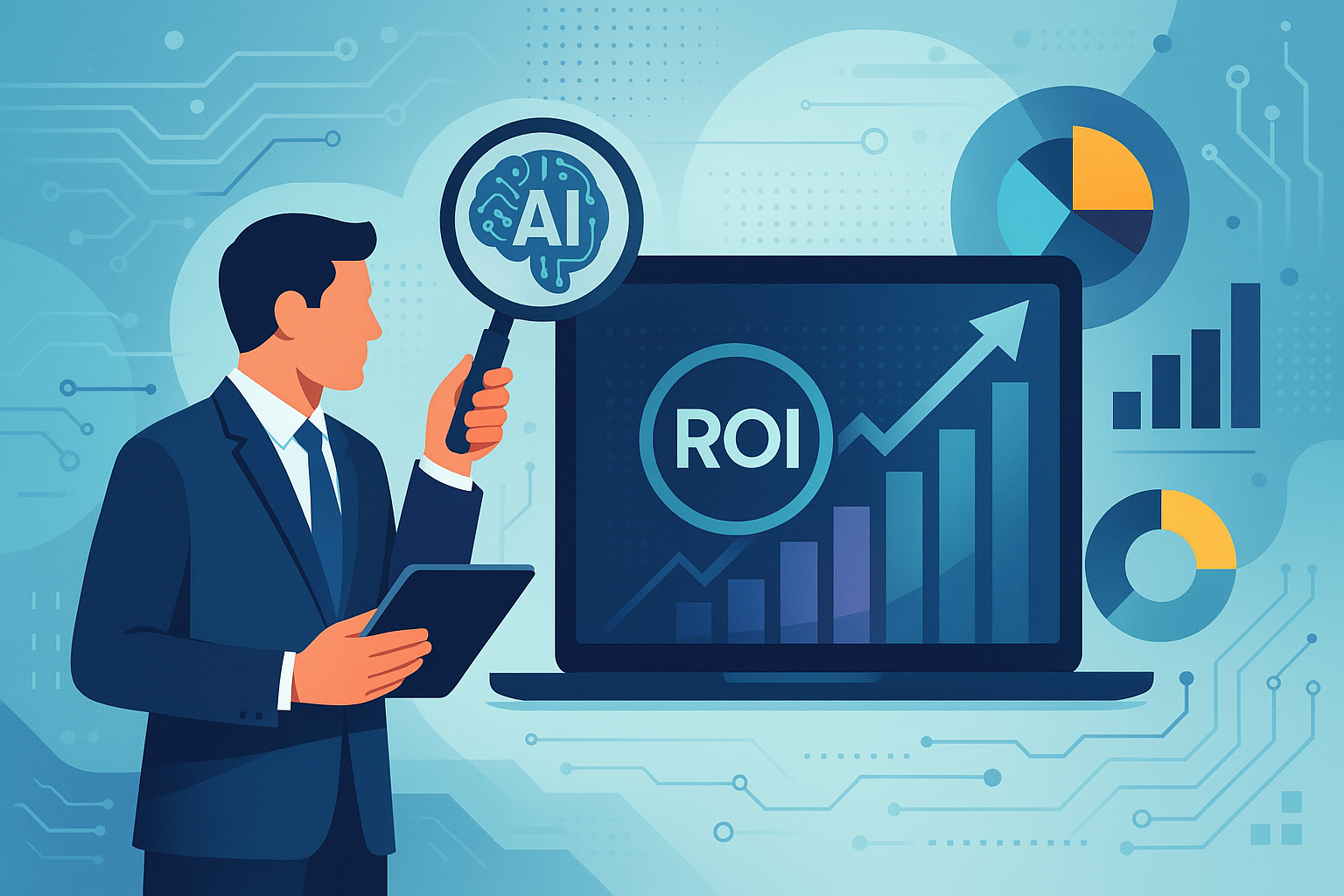
The path to AI integration is riddled with obstacles, primarily data quality issues, lack of skilled talent, and high costs. Data quality is foundational; with 56% of companies facing this hurdle, it's clear that data preparation is a critical step. Moreover, many organizations are grappling with the scarcity of skilled AI professionals. This skill gap often leads to reliance on external partners like Quicklook, who bring specialized knowledge and experience to the table. Furthermore, the integration of AI into existing systems can be daunting. Legacy systems often require substantial updates or replacements to accommodate new AI capabilities. Despite these challenges, the potential gains, particularly in operational efficiency and cost reduction, are substantial.
While challenges abound, understanding them is the first step towards overcoming them. Next, we'll explore how to measure AI's ROI effectively.
Measuring AI ROI with Precision

Accurately measuring the ROI of AI initiatives is a significant challenge for many organizations. The key is to align AI projects with specific business objectives from the outset. This alignment ensures that outcomes are not only measurable but also meaningful. One effective method is to use comprehensive ROI analysis frameworks that capture both direct and indirect benefits. For instance, operational efficiency improvements and cost reductions are direct metrics, while enhanced customer satisfaction and brand reputation represent indirect gains. By establishing clear benchmarks and utilizing tools such as AI-driven analytics platforms, companies can track performance and adjust strategies as needed.
With a solid understanding of ROI measurement, the next step is implementing AI solutions effectively. Let's explore best practices for successful deployment.
Best Practices for Successful AI Implementation

Successful AI implementation requires a strategic approach that includes identifying high-impact use cases and developing a clear business case for AI. It's vital to start with pilot projects that allow for testing and refinement before scaling. This iterative approach not only mitigates risk but also provides valuable insights into AI's potential impact. Additionally, fostering an organizational culture that embraces innovation and continuous learning is crucial. Training programs and workshops can help employees understand AI's role in their daily tasks, thereby increasing adoption and maximizing benefits. Quicklook leverages these best practices to deliver tailored AI solutions that meet your business needs.
Having established best practices, the next logical step is understanding the practical aspects of AI implementation within your organization.
Practical Steps to Implement AI

Implementing AI involves several critical steps, starting with a thorough assessment of your current technological landscape. This assessment identifies gaps and opportunities for AI integration. Next, prioritize AI projects based on potential impact and feasibility. It's crucial to establish a cross-functional team with members from IT, operations, and business units to ensure a holistic approach. Investing in robust data management practices and selecting the right AI tools are also pivotal. Quicklook offers AI solutions that are scalable and adaptable, ensuring they grow with your business without the need for significant reinvestment.
With practical steps outlined, let's explore the transformative outcomes AI can deliver when implemented effectively.
Achieving Transformative Business Outcomes with AI
When implemented effectively, AI can transform various aspects of a business, from enhancing customer experiences to optimizing supply chains. For example, AI-powered fraud detection systems can significantly reduce financial risk, while AI-driven supply chain optimization tools streamline operations, leading to cost savings and increased efficiency. The key is continuous evaluation and adjustment of AI strategies to ensure alignment with evolving business needs. Quicklook's expertise in AI offers tailored solutions that drive measurable improvements in operational efficiency, cost reduction, and revenue enhancement.
With a comprehensive understanding of AI's transformative potential, let's delve into advanced topics for optimizing and scaling AI solutions.
The 5-Phase AI Implementation Roadmap
This framework outlines a structured approach to AI implementation, ensuring alignment with business goals and maximizing ROI.
Phase 1: Assess
Conduct a comprehensive assessment of your current systems and data infrastructure.
Phase 2: Plan
Develop a strategic AI roadmap, prioritizing projects with the highest impact.
Phase 3: Pilot
Implement pilot projects to test AI solutions and gather insights.
Phase 4: Scale
Expand successful AI projects across the organization.
Phase 5: Optimize
Continuously monitor and refine AI solutions to enhance performance.
Frequently Asked Questions
QHow can we ensure our AI investment aligns with our business objectives?
QWhat are the common pitfalls to avoid during AI implementation?
QHow do we choose the right AI vendors?
What are the key metrics to measure AI ROI?
Conclusion
AI and Machine Learning offer unparalleled opportunities for business transformation, provided they are implemented strategically. By understanding the challenges and following best practices, organizations can achieve significant ROI.
Key Takeaways
- ✓Align AI projects with business objectives for measurable outcomes.
- ✓Use comprehensive ROI frameworks to capture all benefits.
- ✓Start with pilot projects to test and refine solutions.
- ✓Invest in robust data management practices.
- ✓Continuously evaluate and adjust AI strategies.
Next Steps
Consider starting with a pilot project that aligns with your business goals. Quicklook can help guide you through this process to ensure success.
Quicklook has helped dozens of companies achieve their AI goals. Contact us to learn how we can assist you.