

In today’s dynamic digital landscape, businesses face a daunting array of security threats and ever-evolving compliance requirements. The stakes have never been higher, with organizations spending an average of 9.5 hours per week on compliance-related tasks, a notable increase from previous years. Yet, the challenge extends beyond mere time investment. Non-compliance can lead to significant financial penalties and reputational damage. Surprisingly, despite the rise in security threats, only a minority of companies have implemented robust cyber resilience measures. This article dives into the critical strategies for measuring the ROI of compliance programs, the primary challenges in implementing security automation, and why Quicklook’s integrated solutions are your best ally in navigating these complexities. We’ll explore how businesses can turn these challenges into transformative opportunities, setting the stage for sustainable growth.
Understanding Compliance ROI Measurement
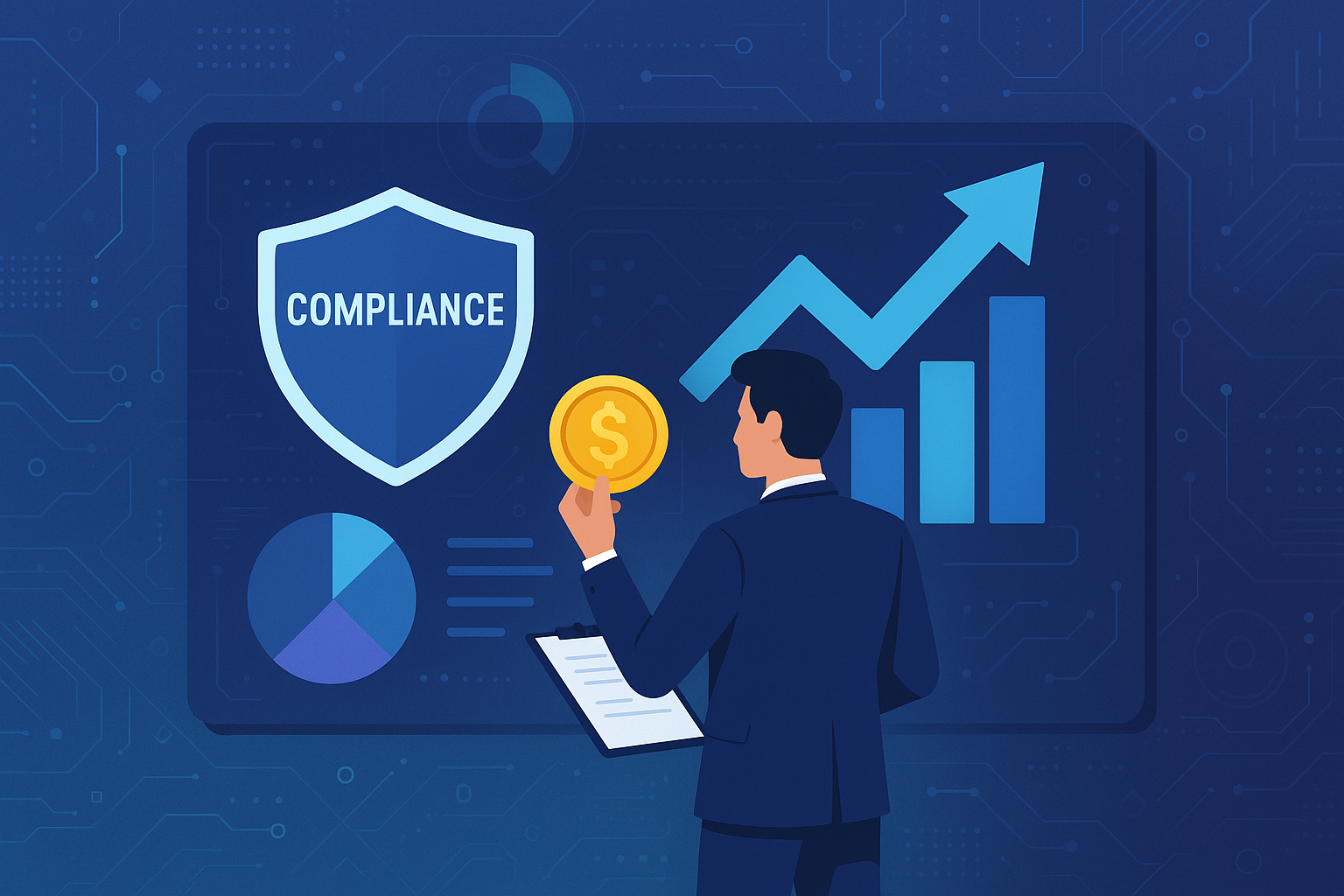
Compliance programs, often viewed as cost centers, are increasingly proving their worth as strategic investments. The key lies in accurately measuring their ROI, moving beyond mere regulatory adherence to uncover tangible business value. For instance, RegTech solutions are reported to reduce compliance costs by 30 to 70%, often yielding ROI exceeding 300% within the first year. This is not just about reducing penalties but also about gaining operational efficiencies and enhancing brand credibility. To effectively measure ROI, businesses can focus on metrics such as reduction in manual compliance tasks and faster regulatory reporting cycles. These metrics provide a clearer picture of compliance's impact on productivity and risk management.
With a foundational understanding of ROI, the next challenge is navigating the complexities of security automation.
Overcoming Security Automation Challenges

Implementing security automation is fraught with challenges, from integrating with legacy systems to managing evolving regulatory landscapes. A significant barrier is the complexity of ensuring real-time risk visibility while addressing the cyber skills gap. Yet, automation is crucial, especially as 66% of organizations expect AI to significantly impact cybersecurity in the coming year. Tools like Ethico's integrated E&C suite and Vanta's trust management platform can streamline processes, but require strategic implementation and skilled personnel. To overcome these hurdles, it's essential to align security initiatives with business objectives, ensuring they support growth rather than hinder it.
With challenges outlined, let's explore best practices for enhancing compliance automation efficiency.
Best Practices for Efficient Compliance Automation

Efficiency in compliance automation is not just about technology; it's about process optimization and strategic planning. Best practices include leveraging advanced tools like Scytale's compliance automation solutions, which offer seamless integration and real-time monitoring capabilities. Developing a clear roadmap for automation, focusing on incremental improvements, and maintaining flexibility to adapt to new regulations are key. Moreover, fostering a culture of compliance across the organization ensures that everyone, from executives to frontline employees, understands their role in upholding security standards. This holistic approach not only enhances efficiency but also builds resilience against future challenges.
Effective automation is just one piece of the puzzle; understanding market trends can further refine your strategy.
Navigating Market Trends in Security and Compliance

The security and compliance landscape is continuously evolving, influenced by emerging technologies and changing regulations. Staying ahead of market trends is crucial for businesses looking to optimize their strategies. Currently, AI and RegTech are the frontrunners, offering significant cost reductions and enhanced capabilities. Executives must consider factors such as the scalability of solutions, integration capabilities, and the potential impact on existing workflows. By understanding these trends, businesses can make informed investment decisions, ensuring their security and compliance initiatives are future-proofed and aligned with industry developments.
Finally, let's look at practical frameworks that can guide your implementation efforts.
Implementing Security and Compliance Programs
Implementing security and compliance programs requires a structured approach to ensure success and sustainability. The first step involves conducting a thorough risk assessment to identify vulnerabilities and prioritize actions. Subsequently, establishing clear policies and procedures creates a framework for consistent action. Investing in training programs to close the cyber skills gap is crucial, as is leveraging automated tools to streamline processes. Continuous monitoring and regular audits ensure compliance with evolving regulations. By following this structured approach, organizations can achieve effective security and compliance programs that deliver measurable business value.
Having established the groundwork, it's essential to look at advanced strategies for optimization and scalability.
The 5-Phase Implementation Roadmap
This framework provides a structured approach to implementing security and compliance programs effectively, ensuring both short-term wins and long-term sustainability.
Conduct Risk Assessment
Identify key vulnerabilities and prioritize actions based on risk level.
Develop Policies and Procedures
Create comprehensive policies to guide consistent actions across the organization.
Invest in Training
Close the cyber skills gap through targeted training programs.
Implement Automation Tools
Leverage tools like Scytale and Ethico for streamlined compliance processes.
Continuous Monitoring and Audits
Frequently Asked Questions
QHow can we measure the ROI of our compliance program?
QWhat are the challenges in implementing security automation?
QWhich best practices enhance compliance automation efficiency?
What market trends should we consider for security investments?
Conclusion
In an era where digital threats and compliance demands are escalating, businesses must adopt a strategic approach to security and compliance. By understanding the ROI of compliance programs and overcoming automation challenges, organizations can transform these necessities into opportunities for growth.
Key Takeaways
- ✓Compliance programs can deliver substantial ROI.
- ✓Automation is crucial for efficiency but requires strategic implementation.
- ✓Stay informed of market trends like AI and RegTech.
- ✓A structured implementation roadmap is essential for success.
- ✓Continuous monitoring and audits maintain compliance and security.
Next Steps
Begin by assessing your current compliance efforts and consider leveraging Quicklook’s integrated solutions to streamline processes and enhance security.
Quicklook has helped dozens of companies achieve transformational security and compliance success with our innovative solutions.