
In the rapidly evolving digital landscape of 2026, businesses find themselves grappling with intensified competition and soaring advertising costs. A staggering 63% of businesses have increased their digital marketing budgets recently, but the question remains: are these investments translating into tangible growth? As digital marketing becomes more complex, driven by AI advancements and changing consumer expectations, businesses face the daunting task of not only capturing attention but also proving ROI. This article delves into the challenges and opportunities of contemporary digital marketing, offering insights into effective strategies, AI integration, and SEO adaptation. With Quicklook's expertise, discover how to transform these challenges into opportunities for growth and innovation.
Understanding the Current Digital Marketing Landscape

The digital marketing terrain in 2026 is marked by several key challenges. Rising advertising costs across platforms like Google and Meta necessitate smarter spending strategies. Furthermore, the content saturation driven by AI-generated content makes it increasingly difficult for businesses to stand out. According to CEOGPS, 94% of small businesses plan to spend more on marketing, but without a clear strategy, these investments could fall short. Moreover, the frequent algorithm updates pose a persistent challenge to maintaining an effective SEO strategy.
Businesses must navigate these waters by focusing on ROI-driven strategies. Digital marketing ROI is crucial, with averages of $5 for every $1 spent, yet many still struggle to quantify their returns. The key lies in leveraging data-driven insights to optimize campaigns and improve targeting.
Key Points: - Rising ad costs demand smarter strategies. - Content saturation challenges visibility. - Frequent algorithm updates complicate SEO.
Data Points: - 63% of businesses have increased digital marketing budgets. - 94% of small businesses plan to increase marketing spend.
Transition: Understanding these challenges is the first step. Next, we'll explore how AI and emerging technologies can be leveraged to overcome these hurdles.
Understanding these challenges is the first step. Next, we'll explore how AI and emerging technologies can be leveraged to overcome these hurdles.
Leveraging AI and Emerging Technologies
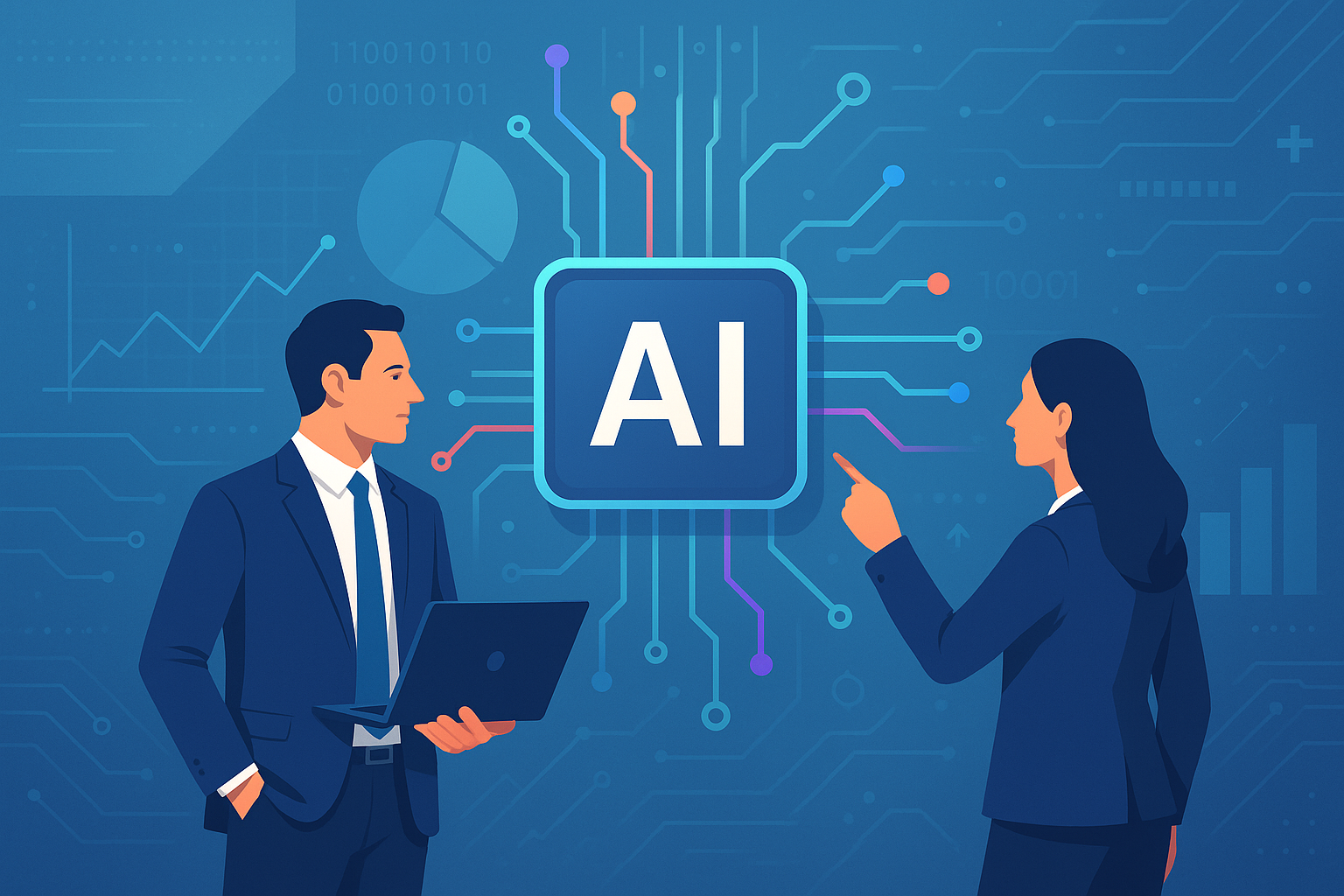
AI and emerging technologies are revolutionizing digital marketing strategies in 2026. These tools offer unprecedented opportunities to optimize marketing efforts and enhance customer engagement. AI-driven platforms facilitate more precise targeting and personalization, crucial for cutting through the noise in a saturated market.
However, effective implementation remains a challenge. Businesses must navigate the complexities of integrating AI seamlessly into their existing workflows. Tools like Google Analytics 4 and AI-driven bid management platforms are vital for tracking performance and making data-driven decisions.
Emerging trends also highlight the growing importance of zero-click searches. This shift requires companies to rethink traditional SEO strategies, focusing on gaining visibility in new ways. By harnessing AI, businesses can better predict search trends and adapt their content strategies accordingly.
Key Points: - AI offers enhanced targeting and personalization. - Integration into existing workflows is vital. - Zero-click searches require strategic adaptation.
Data Points: - Digital marketing ROI averages $5 for every $1 spent. - AI tools are deeply embedded across marketing functions.
Transition: With AI integration setting the stage, we now turn to practical steps for measuring and optimizing ROI in digital marketing campaigns.
With AI integration setting the stage, we now turn to practical steps for measuring and optimizing ROI in digital marketing campaigns.
Measuring and Optimizing Digital Marketing ROI
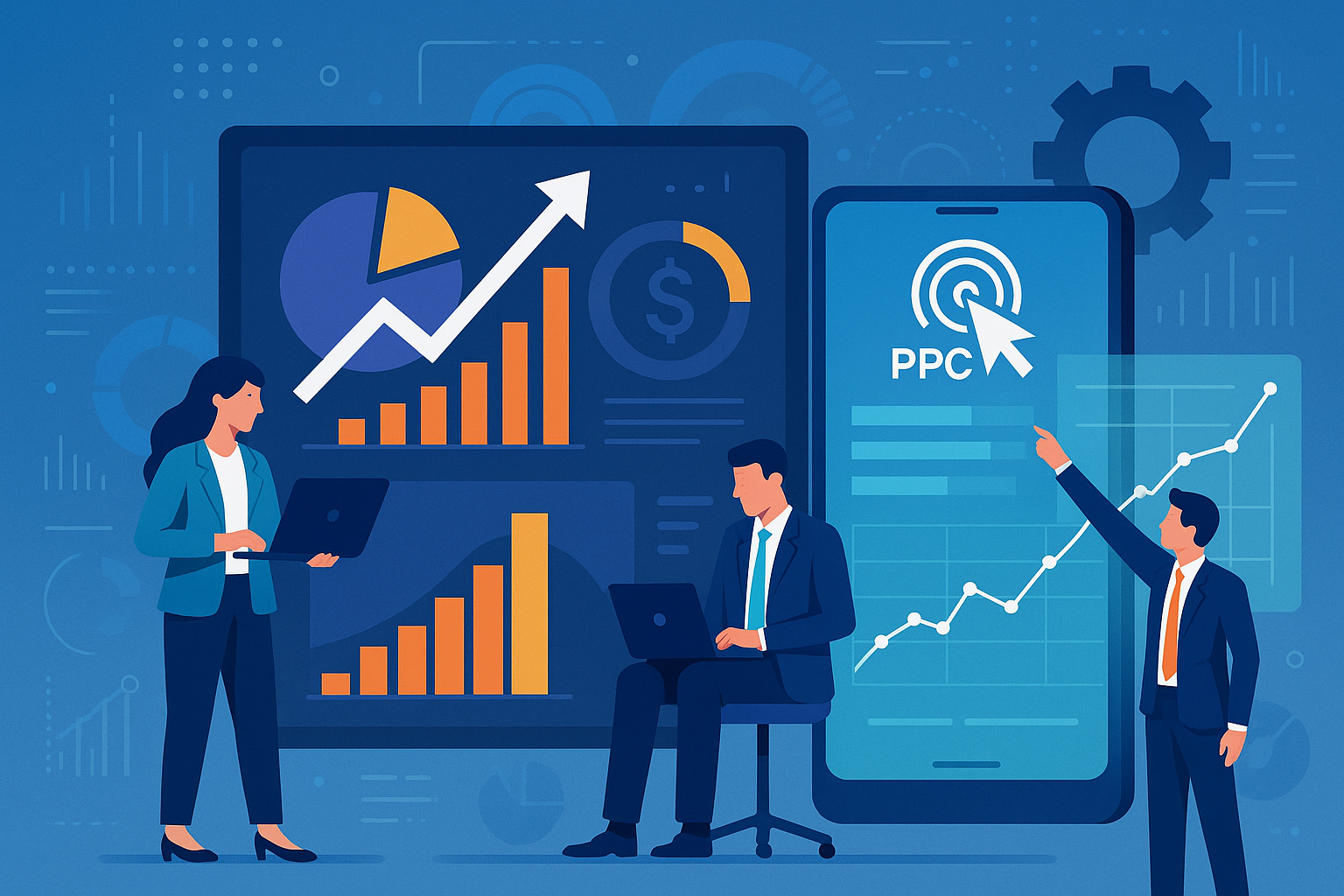
In digital marketing, measuring ROI is no longer optional—it's essential. With an average ROI of $5 for every $1 spent, businesses need reliable metrics to justify investments. Tools like HubSpot CRM and Google Analytics 4 provide detailed insights into campaign performance, enabling businesses to track conversions and customer engagement more accurately.
To effectively measure ROI, businesses should establish clear goals and KPIs. This includes tracking metrics such as conversion rates, cost per acquisition, and customer lifetime value. By focusing on these metrics, businesses can identify which strategies yield the best returns and adjust campaigns accordingly.
Optimizing ROI also involves continuous testing and adaptation. With advertising costs rising, businesses must refine their targeting and creative strategies to ensure efficient spending. A performance-first approach, where campaigns are constantly evaluated and optimized based on real-time data, is crucial for maximizing returns.
Key Points: - Establish clear goals and KPIs for measurement. - Utilize tools like HubSpot and Google Analytics 4 for insights. - Continuous testing and adaptation are essential.
Data Points: - Email marketing yields $36 to $44 for every $1 spent. - Rising advertising costs necessitate ROI optimization.
Transition: Having established a foundation for measuring and optimizing ROI, we can now explore advanced strategies for integrating AI into digital marketing workflows.
Having established a foundation for measuring and optimizing ROI, we can now explore advanced strategies for integrating AI into digital marketing workflows.
Advanced Strategies for AI Integration
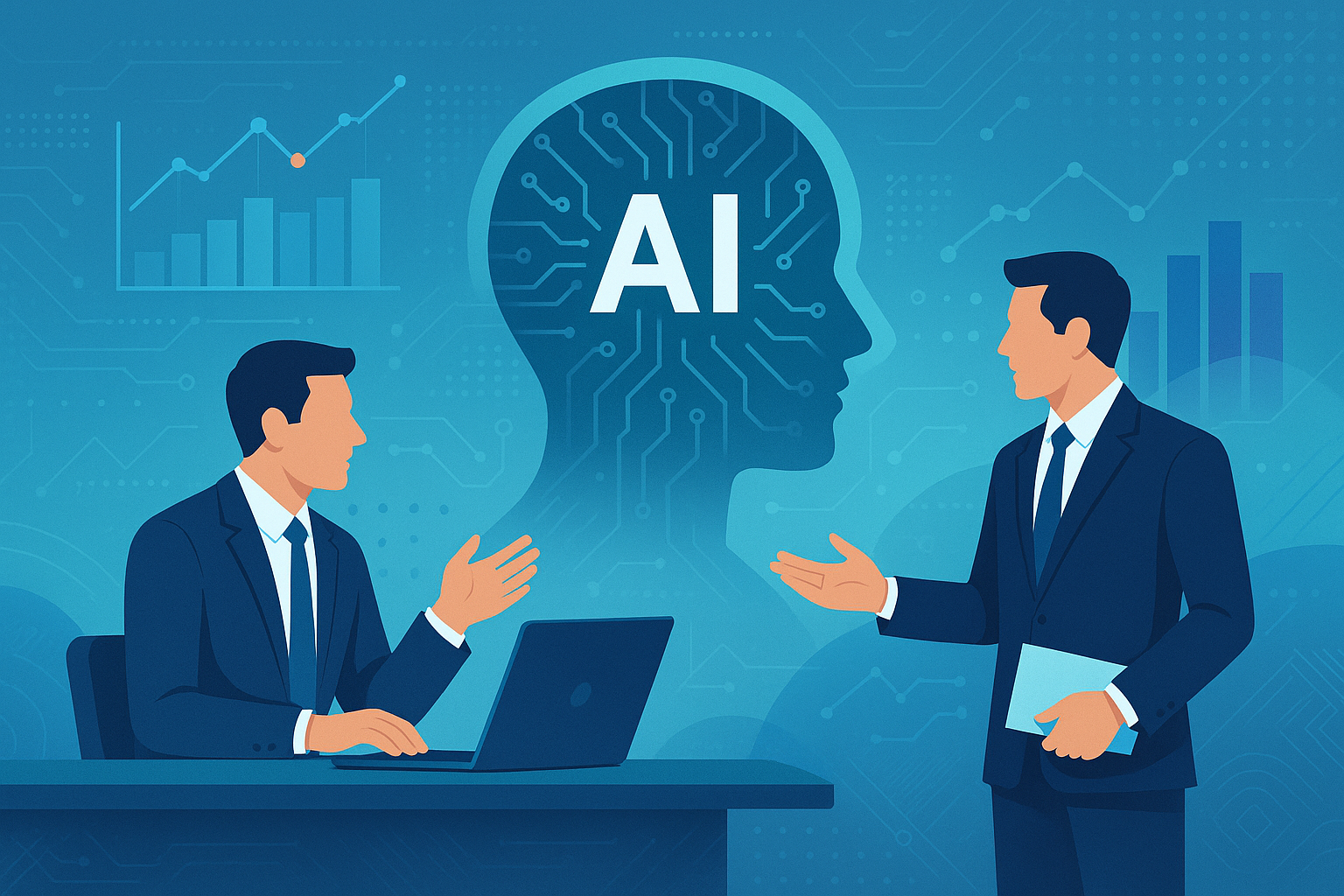
Integrating AI into digital marketing strategies offers transformative potential, but it requires careful planning and execution. Businesses need to assess their current capabilities and identify areas where AI can add value, such as automated customer interactions or predictive analytics.
A structured approach involves selecting the right AI tools and vendors. Considerations should include the ease of integration with existing systems, scalability, and the potential for real-time insights. Collaborating with technology partners like Quicklook can provide the expertise needed to navigate this complex landscape.
Once integrated, AI tools can enhance personalization efforts, improve targeting precision, and streamline operations. For instance, AI-driven platforms can automate tasks such as bid management and content creation, freeing up valuable resources for strategic initiatives.
Key Points: - Assess current capabilities and potential AI applications. - Select tools based on integration ease and scalability. - AI can automate mundane tasks, enhancing strategic focus.
Data Points: - 63% of businesses increased digital marketing budgets, emphasizing AI. - AI-driven platforms improve targeting and personalization.
Transition: With AI effectively integrated, businesses can now focus on scaling their efforts and capitalizing on new market trends.
With AI effectively integrated, businesses can now focus on scaling their efforts and capitalizing on new market trends.
Scaling Digital Marketing Efforts Amidst Emerging Trends
As digital marketing continues to evolve, staying ahead of emerging trends is crucial for sustained success. In 2026, businesses must focus on strategies that accommodate changing consumer behaviors and technological advancements. This includes adapting to privacy-conscious consumers and leveraging data ethically to build trust.
Scaling efforts involve broadening reach while maintaining personalization. This requires leveraging AI for more sophisticated data analysis and segmentation, ensuring marketing messages resonate with diverse audience segments. Additionally, businesses should explore new platforms and ad networks, balancing cost against reach and engagement potential.
Market trends indicate a shift towards interactive and immersive content. As AI and virtual reality technologies advance, businesses can create more engaging campaigns that capture attention and encourage interaction. Staying agile and open to experimentation will be key to capturing and retaining market share in this dynamic environment.
Key Points: - Adapt to privacy-conscious consumers with ethical data use. - Leverage AI for advanced segmentation and personalization. - Explore new platforms and ad networks for broader reach.
Data Points: - Consumers increasingly value privacy and brand trust. - Interactive content is gaining traction as a marketing tool.
Transition: Equipped with strategies to scale and adapt, businesses can now implement these insights into a cohesive digital marketing framework.
Equipped with strategies to scale and adapt, businesses can now implement these insights into a cohesive digital marketing framework.
The 5-Phase Implementation Roadmap
This framework provides a structured approach to integrating AI into digital marketing strategies, ensuring measurable growth and optimized performance.
Assess Current Capabilities
Evaluate existing marketing processes and identify gaps where AI can add value.
Select Appropriate AI Tools
Choose AI solutions that align with business goals and offer seamless integration.
Develop Integration Plan
Create a detailed roadmap outlining integration steps and timelines.
Train and Upskill Teams
Equip marketing teams with the necessary skills to leverage new technologies.
Monitor and Optimize
Frequently Asked Questions
QWhat are the main digital marketing challenges in 2026?
QHow can we measure ROI effectively?
QWhat role does AI play in digital marketing today?
QHow do we integrate AI into our marketing strategy?
Conclusion
As digital marketing evolves, businesses must adapt to rising costs and technological advancements. Embracing AI and data-driven strategies allows for more effective targeting and ROI measurement.
Key Takeaways
- ✓Rising ad costs require smart spending strategies.
- ✓AI offers enhanced targeting and personalization.
- ✓Continuous testing and refinement are essential for ROI optimization.
- ✓Ethical data use builds consumer trust.
- ✓Agility and openness to new trends strengthen market position.
Next Steps
Explore AI tools that align with your business goals, establish clear KPIs for ROI measurement, and partner with experts like Quicklook to navigate the digital marketing landscape.
Quicklook has helped dozens of companies transform their digital marketing strategies. Let us help you achieve measurable growth.