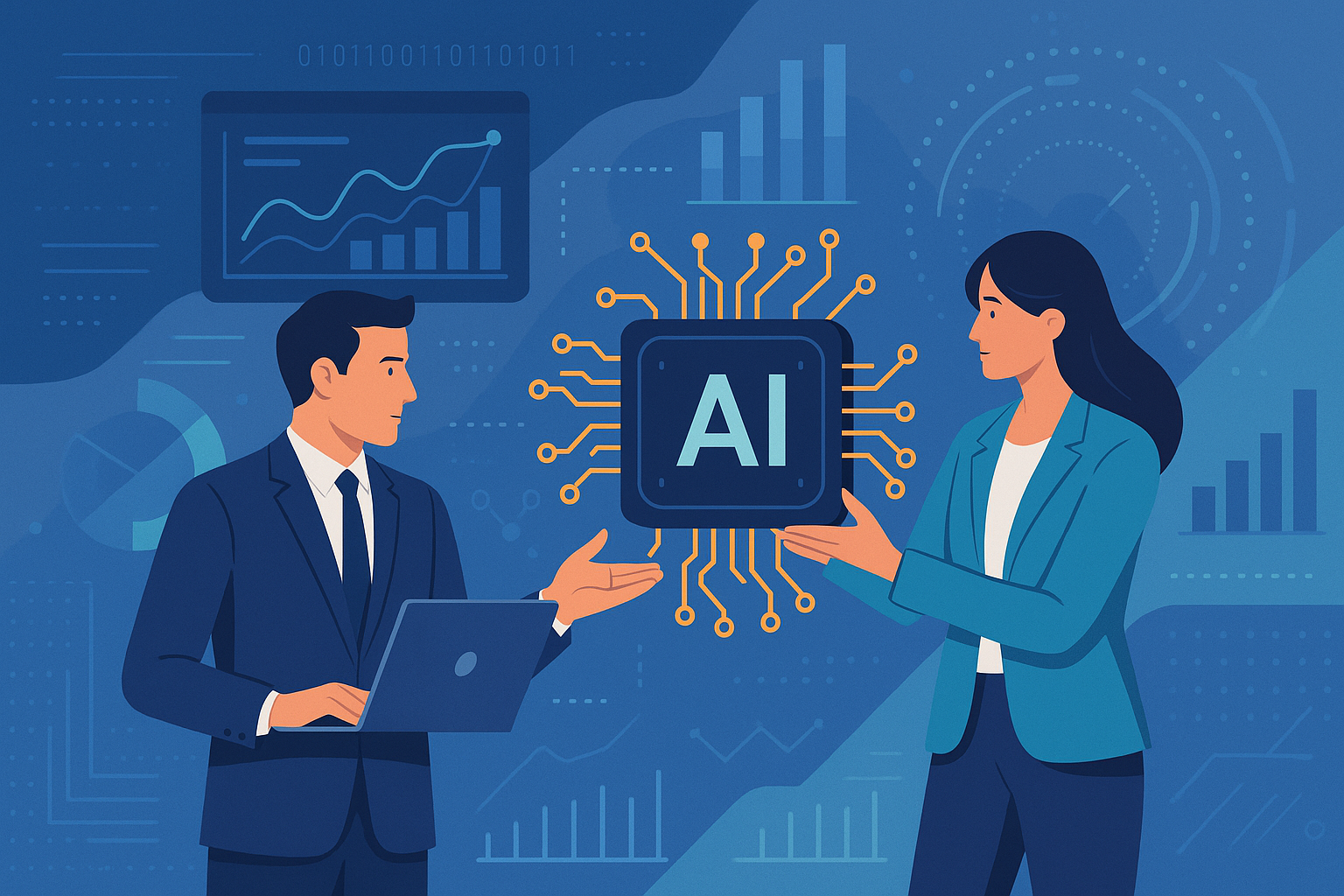

Imagine a world where your business operations run seamlessly, driven by intelligent systems that not only optimize processes but also forecast future challenges. This isn’t science fiction—it's the potential of AI and machine learning in today’s business landscape. However, many organizations struggle to harness these technologies effectively. The stakes are high: fail to adapt, and you risk falling behind. This article delves into the challenges of AI implementation, explores the ROI measurement quandary, and shares best practices for successful deployment. By the end, you'll understand how AI can transform your business and how Quicklook can guide you every step of the way.
Understanding AI Implementation Challenges
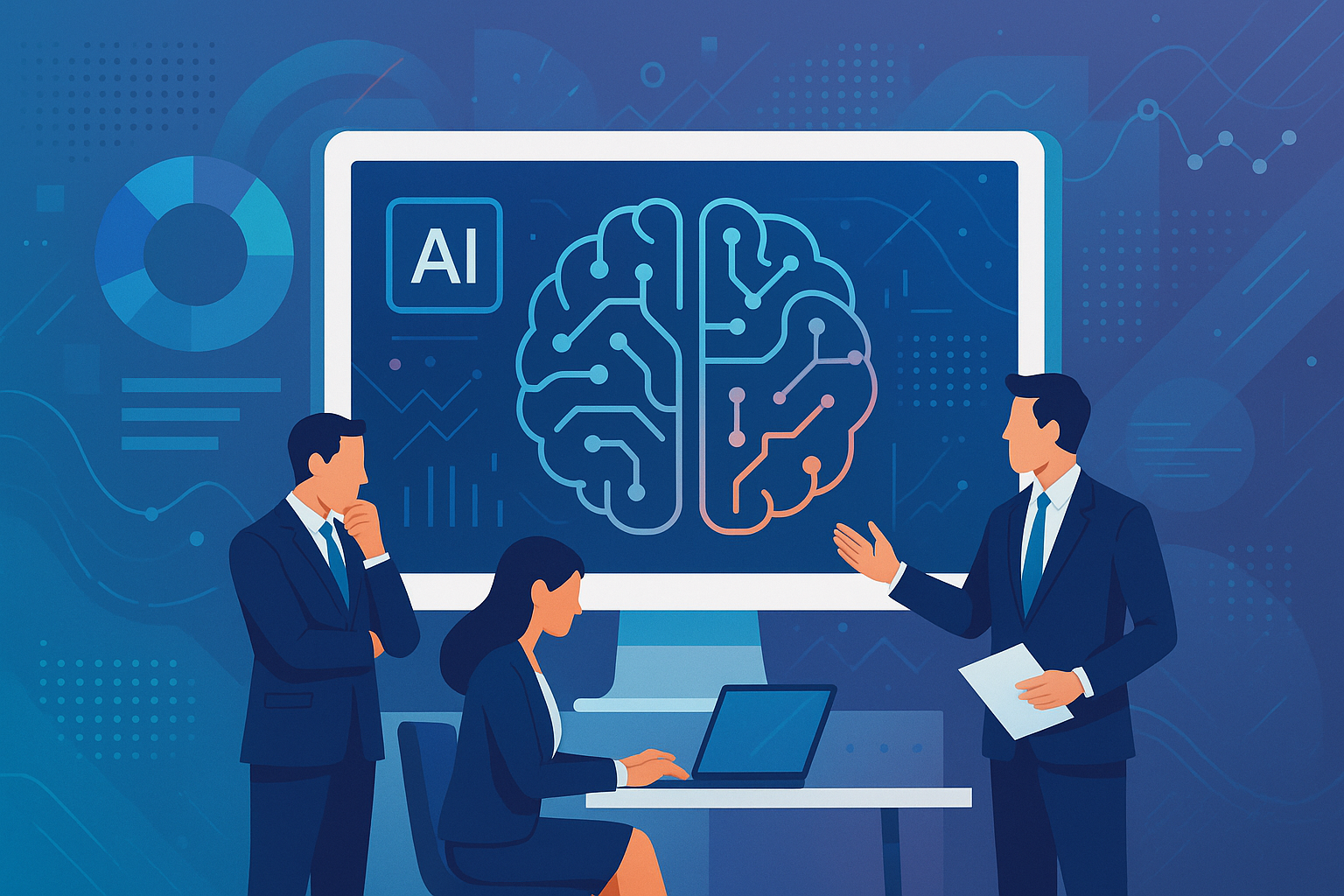

The journey to AI adoption is fraught with challenges, notably in data quality and leadership buy-in. Poor data quality alone costs the US economy a staggering $3.1 trillion annually. Many firms also grapple with AI explainability, fearing the 'black box' effect. Yet, addressing these challenges is crucial for effective AI deployment. Leadership inertia is another hurdle; without proactive support from the top, AI initiatives often stall. Moreover, skill shortages can impede progress, making it essential to have a strategy for upskilling or hiring talent.
With challenges identified, let's explore how businesses can accurately measure the ROI of their AI initiatives.
Measuring the ROI of AI Initiatives

Quantifying the ROI of AI projects is essential but complex. Businesses should start by defining clear objectives and metrics, such as operational efficiency and cost reductions. For instance, Walmart’s AI inventory system reduced out-of-stock items by 30%, exemplifying tangible benefits. Employing AI tools like H2O AutoML and TensorFlow can streamline processes and deliver insights at scale. However, without a structured approach to ROI measurement, these gains might remain elusive. A comprehensive framework is necessary to align AI investments with business goals and ensure accountability.
Understanding ROI is one part of the equation; implementing AI successfully is another. Let's discuss the best practices for doing so.
Best Practices for AI and Machine Learning Implementation

Successful AI implementation demands more than just cutting-edge technology; it requires strategic alignment with business processes. Start small with pilot projects to demonstrate value and iterate based on feedback. Prioritize data privacy and security, ensuring compliance with regulations. Tools like Scikit-Learn and OpenAI GPT can accelerate development while maintaining transparency and explainability. Engaging cross-functional teams early can reduce resistance and foster a culture of innovation.
After establishing best practices, let's delve into practical steps for integrating AI into existing business operations.
Practical Steps for AI Integration

Integrating AI into existing operations requires careful planning to minimize disruption. Begin with an audit of current processes to identify areas ripe for AI enhancement. Create a phased implementation plan, allowing for adjustments as needed. Collaboration with reliable vendors like Quicklook can provide the expertise and resources needed to navigate this transition smoothly. Additionally, establishing clear communication channels can facilitate change management and alleviate employee concerns.
With integration strategies in place, the next step is to anticipate the outcomes and prepare for continuous improvement.
Expected Outcomes and Transformation
The ultimate goal of AI implementation is transformation—enhancing efficiency, reducing costs, and gaining a competitive edge. Companies like Walmart and Deutsche Bank demonstrate that AI can lead to significant operational improvements. However, the transformation is an ongoing process. Regularly reviewing AI systems ensures they continue to align with business goals and adapt to changing market conditions. By employing advanced tools and maintaining a focus on innovation, businesses can sustain competitive advantages.
Now that we understand the potential outcomes, let’s explore advanced topics such as optimization and scaling.
The 5-Phase AI Implementation Roadmap
A structured approach to deploying AI projects effectively and achieving measurable outcomes.
Phase 1: Identify Objectives
Define clear business objectives and success metrics.
Phase 2: Conduct Data Audit
Assess data quality and availability.
Phase 3: Develop Pilot Projects
Start with small-scale AI initiatives.
Phase 4: Scale Up
Expand successful pilots across the organization.
Phase 5: Continuous Improvement
Regularly review AI systems and adapt to changes.
Frequently Asked Questions
QHow can businesses ensure data quality for AI projects?
QWhat are the ethical considerations when deploying AI?
QHow can organizations manage employee resistance to AI?
Conclusion
AI and machine learning offer transformative potential for businesses willing to navigate their complexities. By understanding implementation challenges, measuring ROI effectively, and following best practices, organizations can unlock new efficiencies and drive growth. Quicklook has the expertise to guide you through this journey.
Key Takeaways
- ✓AI requires a strategic, phased approach for successful implementation.
- ✓Data quality and leadership buy-in are critical to AI success.
- ✓Measuring ROI involves setting clear objectives and metrics.
- ✓Best practices include starting with pilot projects and ensuring data privacy.
- ✓Continuous improvement is key to sustaining AI-driven advantages.
Next Steps
Evaluate your current business processes to identify AI opportunities. Reach out to Quicklook for a consultation on how to begin your AI journey.
Quicklook has helped dozens of companies achieve measurable ROI through tailored AI solutions.